


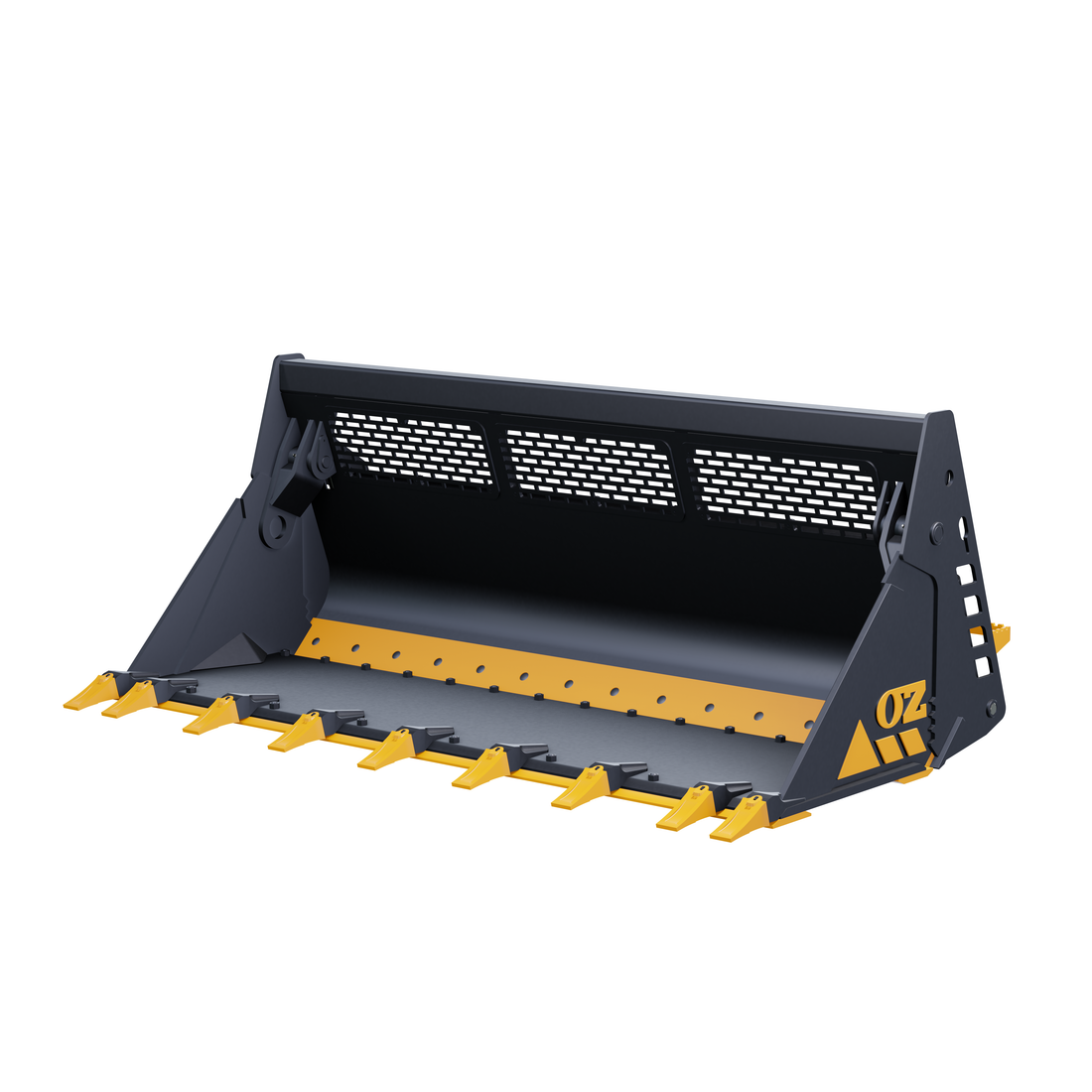

























Not every attachment listed online is built to handle the conditions it's sold for. When you're sourcing heavy-duty excavator attachments for a demanding job, the difference between a listing and a properly engineered product doesn't always show up straight away; it's what happens after it’s put to the test on real load that separates the two.
Choosing the right gear takes more than matching a price point to a machine model. It means understanding what's actually behind the steel.
The Reseller Risk
A growing number of online sellers operate with no background in earthmoving equipment at all. They list attachments sourced from wherever's cheapest, with no structural design review and no understanding of how that product will actually perform under load.
For a buyer, this is difficult to spot from a product photo. A bucket or blade can look identical to a properly engineered one right up until it's put to work.
Structural Fatigue Under Load
Attachments built without proper material selection or hydraulic matching don't usually fail on day one. The damage builds gradually: steel starts to flex where it should hold firm, hydraulic components draw more pressure than they're rated for, and welds that weren't designed for the load begin to fatigue.
By the time a fault shows up on site, whether that's a buckled edge on a skid steer dozer blade or a stick rake for skid steer that's lost its tine alignment, the operator is already dealing with downtime and, in many cases, a seller who has no technical answer and no local support to offer.
What to Check Before You Buy
A few details on a product listing can tell you a lot about whether an attachment's actually built for the job, or just built to be sold.
Look for the steel grade or plate thickness stated outright, not just a vague "heavy-duty" label with no specification behind it. Check whether pin and bushing sizes are listed against your specific machine model rather than a generic "fits most excavators" claim, since fitment tolerances vary more than sellers like to admit. And if the attachment involves any hydraulic function, confirm the flow and pressure rating is stated, not left for you to work out after it's arrived.
None of this takes long to check, but it's usually the sellers with nothing to hide who bother listing it in the first place.
Where to find heavy-duty excavator attachments for sale in Australia?
The safest place to source heavy-duty excavator attachments is directly from a supplier that inspects and verifies every product before it leaves the warehouse, rather than one that simply lists and ships. OZ Buckets reviews material specifications and hydraulic compatibility on every attachment against verified equipment data, so what you order is confirmed to suit your machine before it's dispatched.
The People Behind the Product
Quality assurance at OZ Buckets sits with a dedicated Quality Manager overseeing ISO 9001 implementation and product inspection, backed by an engineering team led by qualified mechanical and civil engineers. It's a structure built to catch the kind of material and fitment issues that a reseller with no technical oversight simply isn't set up to find.
This isn't a faceless drop-ship operation. If you've got a question about whether a particular skid steer dozer blade will hold up on your site conditions, or whether a stick rake for skid steer is the right call for a clearing job versus a rock rake, there's a technical team on the other end who can actually answer it.
Buy with Technical Backing, Not Guesswork
Sourcing attachments shouldn't mean gambling on a listing and hoping it holds up. Get in touch with our technical team for clear, practical advice on choosing the right heavy-duty excavator attachments for your machine and your job, backed by people who know the equipment inside and out.